

They just hear the hype and look forward to investing in guaranteed business results that few providers can guarantee.
Another problem faced by implementing IoT technology is enterprises have started to distance their customers. Many times, organizations using IoT products and services fail to convey to the consumer the benefits and costs of IoT. In other instances, companies have made ownership claims on the data captured by the software, including the customers’ private data! Also, some enterprises have been releasing consumer products with poor security and/or faulty security instructions, and then blaming consumers for resulting security issues. This creates a rift between the enterprise and the consumer whose data is being used.
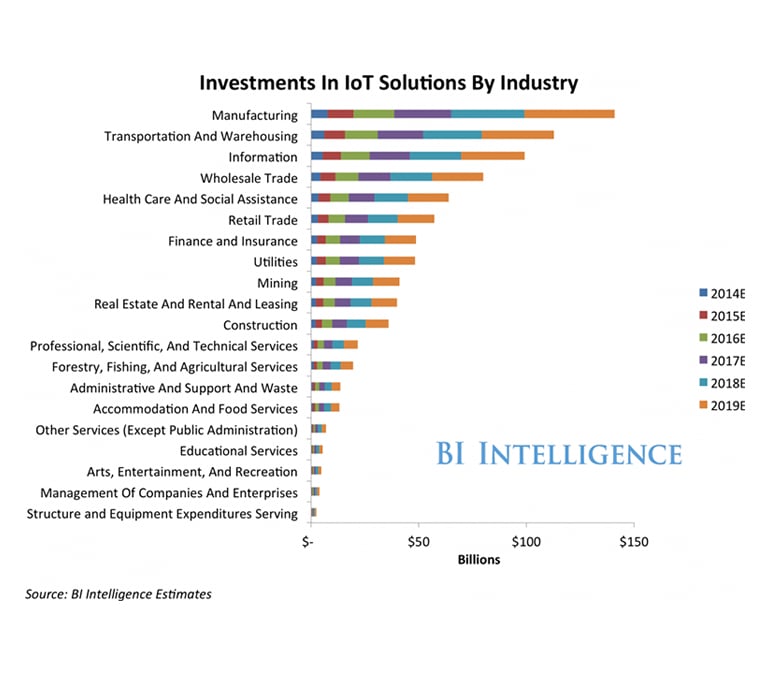
All these factors have led to the failure of many IoT projects. It’s time that CIOs and IoT teams rethink their market strategy. They must combine all of their market goals into one comprehensive plan. Enterprise CIOs and owners must now start focusing on consumer requirement rather than just company’s benefits.
The following 4 steps should be considered while redesigning your market strategy:
1. Identify the benefits to the customer
The first step for companies undertaking IoT projects is to identify clear and realistic benefits for the customer (internal or external). When companies roll out their IoT-enabled business campaigns, they must be able to appropriately convey to their customers how the technology would benefit them.
2. Conduct a risk analysis
The second step would be creating a detailed risk analysis report. It must document the business strategy for the IoT-enabled systems and discussions that determine what kind of risks the enterprise will be exposed to after adopting the IoT technology. While conducting this risk analysis, the focus must be kept on long term goals and risks. Often considering only shortsighted risks leads to failure of the IoT project.
3. Create a communication plan
Enterprises should build their IoT project’s market communication plan focusing on specific advantages those customers will realize if they share IoT data. These advantages can be better performance, lower costs, less downtime, longer product life and specific incentives. Any costs or challenges to the consumer should also be communicated in advance. Let your customer do a cost-benefit analysis themselves to make an informed decision on whether to use your product or at least be better prepared.
4. Make security and privacy a priority
Neglecting factors like security and privacy not only creates legal problems but also damages brand image. Some companies tend to roll out products and services that interfere with people’s privacy without thinking about the potential brand damage it causes. An example of this could be a toy manufacturing company that makes a toy which captures usage behavior or even personal details without explicit parental consent. This breaches consumer privacy expectations and could also lead to larger cyber security issues.
The consumer is a key stakeholder in IoT projects. Thus, organizations must clearly address the customers’ value proposition. In this way, CIOs and IoT teams can sum up their company goals and redesign a successful market strategy.