
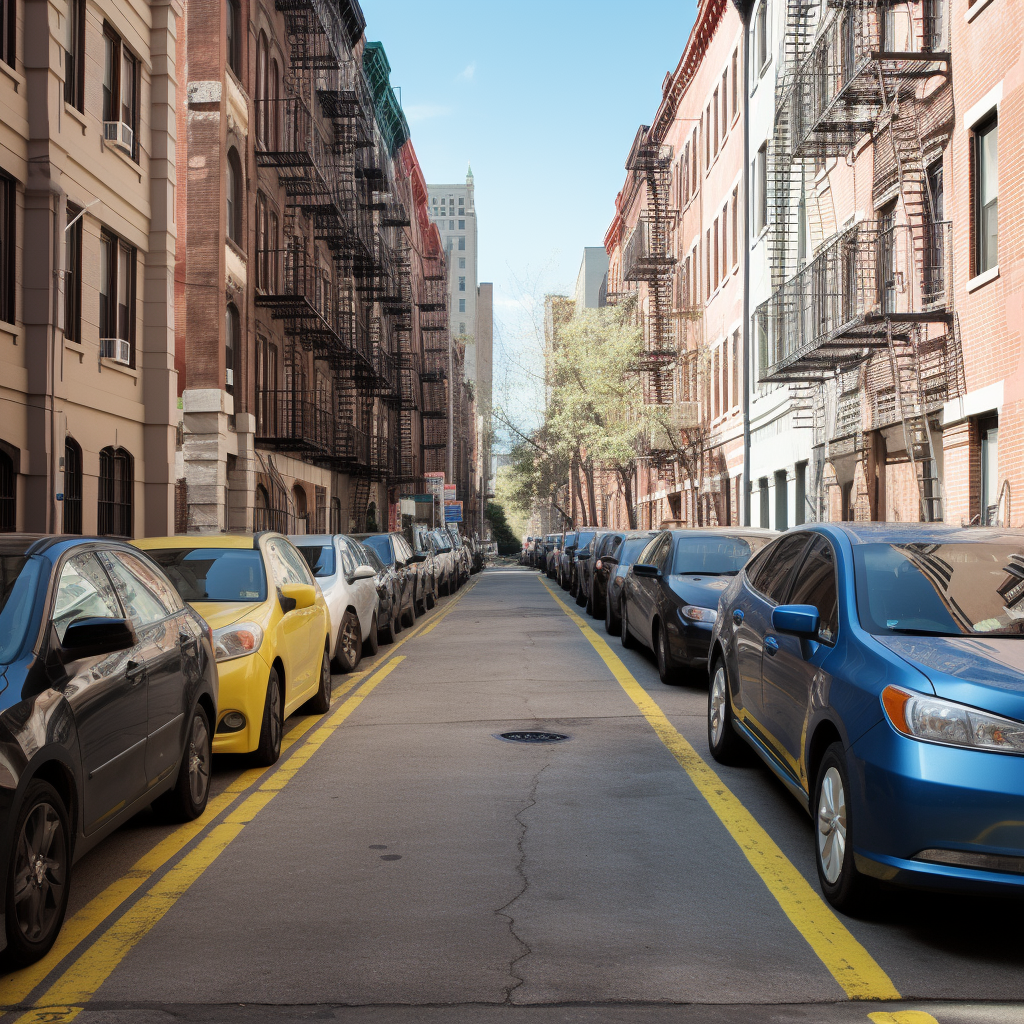
Everything in our lives is getting smart. Smart technology ensures things are running smoothly from our phones to our homes. While we also have smart cars, what about the parking solutions we use on the street to park these cars? Well, this area seems to be overlooked in the age of smart tech, but it doesn’t have to be.
On-street parking management is an essential part of city life. Parking spots are often at a premium, and managing them effectively is important. Advanced technologies, like AI, machine learning, IoT and big data, can help cities manage on-street parking better by providing real-time insight into how many cars are parked in a certain area and the parking patterns over a given period. These new-age smart parking solutions are set to transform how we manage urban spaces. It also helps enhance the city’s revenue generated from parking operations.
Key Components of Smart On-Street Parking Management Solutions
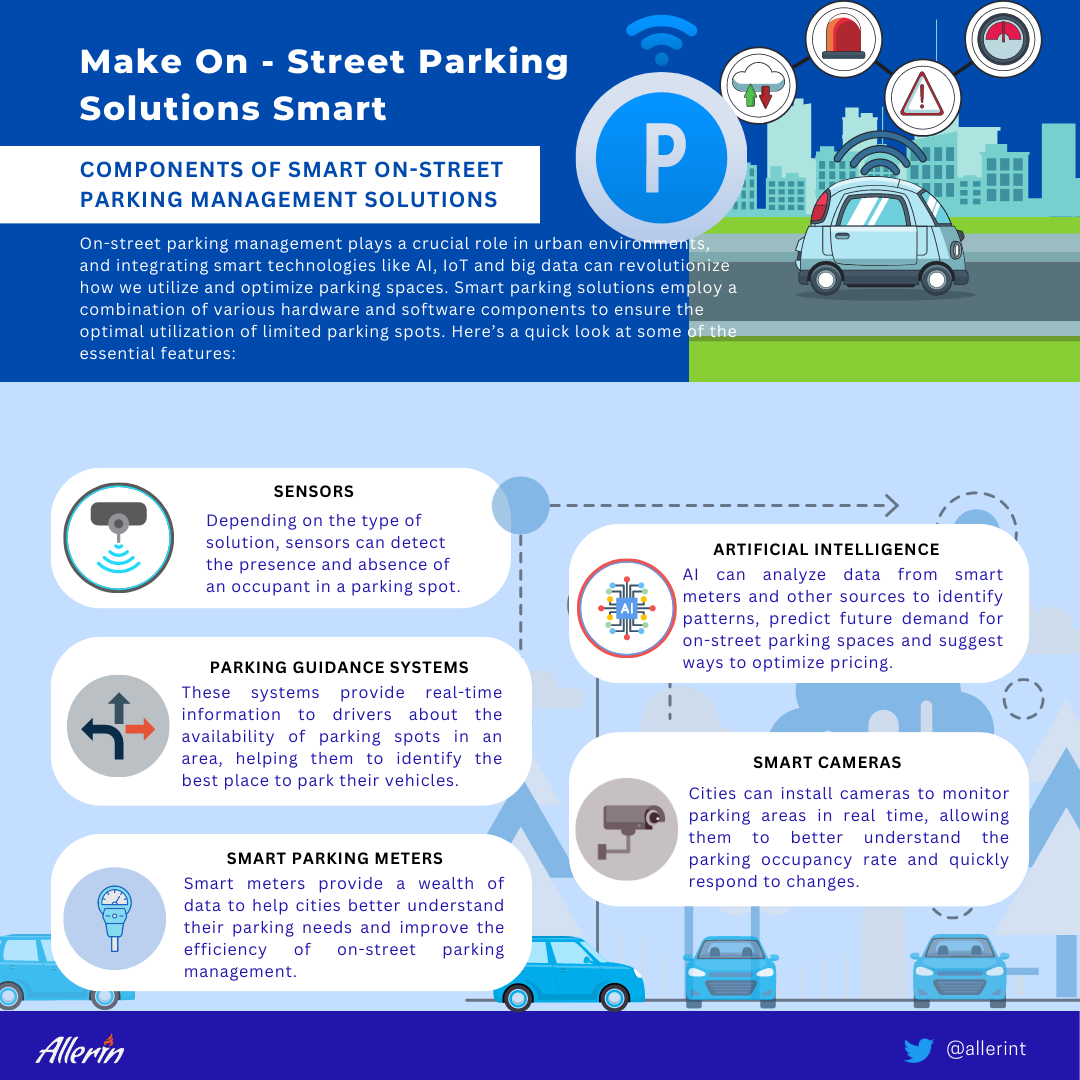
Smart parking solutions employ a combination of various hardware and software components to ensure the optimal utilization of limited parking spots. Here’s a quick look at some of the essential features:
Sensors
These are the most basic building blocks of any smart parking solution. Depending on the type of solution, sensors can detect the presence and absence of an occupant in a parking spot. They can also be used to track vehicles that enter and exit an area, allowing authorities to monitor the movement of vehicles. Sensors are typically installed along streets or in parking lots and garages and can be connected to an integrated system that monitors the occupancy of parking spots.
Parking Guidance Systems
These systems provide real-time information to drivers about the availability of parking spots in an area, helping them to identify the best place to park their vehicles. This information is typically relayed via LED signs or smartphone apps, allowing drivers to quickly identify available spots. Such systems enable traffic to flow more smoothly in areas with high parking demand and can help reduce congestion caused by drivers searching for parking.
Smart Parking Meters
Unlike traditional parking meters, smart meters are connected to a central system that allows for real-time monitoring and control of on-street parking. This includes adjusting meter rates dynamically and automatically, collecting payments through credit cards, and smartphones, and even capturing car details using license plate recognition technology. Smart meters also provide a wealth of data to help cities better understand their parking needs and improve the efficiency of on-street parking management.
Artificial Intelligence
Artificial intelligence can be used to improve the effectiveness of on-street parking management. AI can analyze data from smart meters and other sources to identify patterns, predict future demand for on-street parking spaces and suggest ways to optimize pricing. AI can also be used to detect violations of parking regulations and alert enforcement personnel.
Smart Cameras
Cities can install cameras to monitor parking areas in real time, allowing them to better understand the parking occupancy rate and quickly respond to changes. Smart cameras can also be used to detect vehicles that violate parking regulations and alert law enforcement personnel.
Conclusion
On-street parking management is an important part of urban mobility and requires innovative solutions. The integration of smart technologies in on-street parking management has the potential to revolutionize how we utilize and optimize parking spaces in urban areas. By leveraging the advanced technologies mentioned above, cities can gain real-time insights into parking patterns, optimize parking availability and enhance the overall efficiency of their parking systems.