
The success of a project is the only thing that matters for almost all IT teams. We usually measure project success metrics in terms of productivity, cost of quality, return on investment, cycle time and other traditional metrics. But these project success metrics do not take into account some things that are equally important and valuable for all organizations.
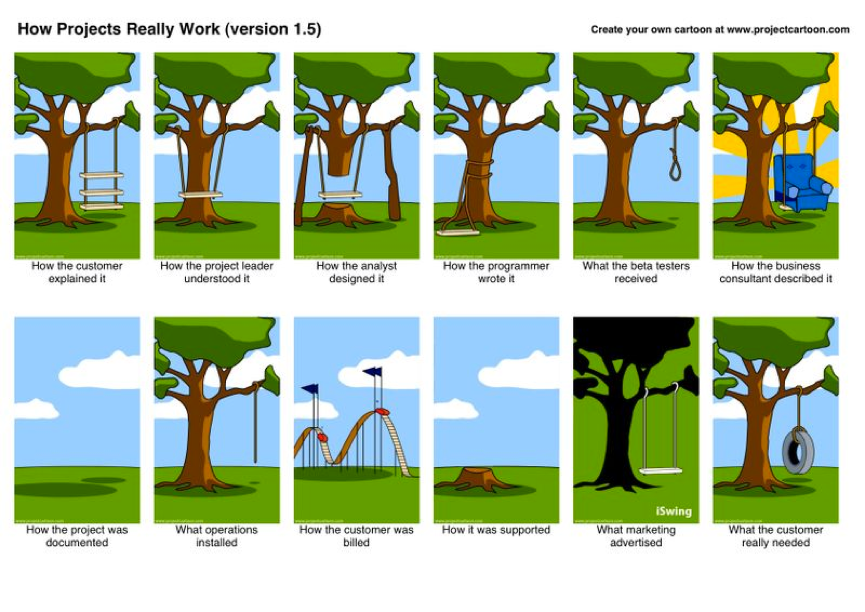
Delivering a project on-time and on-budget is already considered too outdated to measure a project’s success. While it is definitely necessary, I would say these project success metrics are just basic hygiene factors. Project managers are today expected to partner with the customer, understand the business drivers and ensure that the project delivers the quality that is required. We don’t want situations on these lines:
Customer Satisfaction
Projects start out with best of intentions and are driven by the customer who are involved at the start when the requirements are being gathered. They are included in the planning and delivery processes. But, for some reason, managers neglect this relationship as the project progresses. It is the duty of project managers to speak with their customers and ask them direct questions about how they feel about the way a project is advancing. IT departments can also conduct surveys when they are notified to resolve issues with hardware or software.
Impact
An impact analysis can be done to unearth layers and levels a project is going to affect. Just like tossing a pebble in a pond, projects may cause ripples that carry beyond the initial splash. Project managers and customers often fail to connect with the change a project can cause to people, process and technology, both internal and external to the organization. The goals of any impact analysis are:
- Understand sponsor goals and expectations
- Understand strategic context and intent
- Assess internal context, such as people, process and technology
Innovation
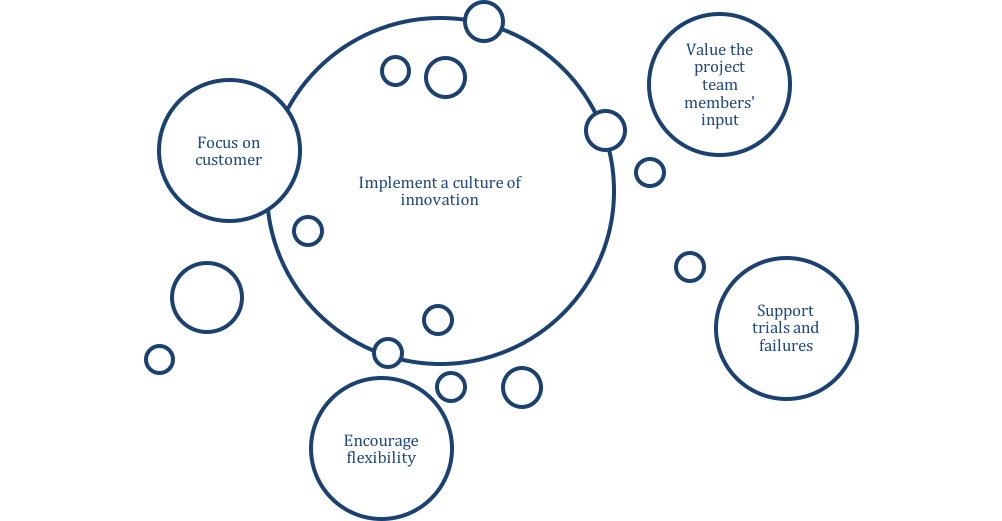
In today’s business environment, innovation is a must for project success. Project managers must find a way for design and innovation to go hand-in-hand. Innovation is not some complex phenomenon. In addition to creativity, it is about re-packaging, both literally and figuratively. It can be achieved by connecting dots in a new way and seeing trends and hidden profit opportunities. Instead of creating a culture of working extremely hard, it is needed that a culture of innovation be implemented.
Passion
The inner zeal of achieving the best cannot be replaced by anything else. Teams as well as customers should be passionate about the project in order to get the best value. When the give and take of information with customers culminates into a healthy relationship, everybody will be more passionate about the project. Team members, when given enough freedom to pursue their own thoughts about the project, would be more passionate about their work which would also lift their overall performance and personality.
Most of the times, organizations focus more on the financial end-value of a product, which is bad practice. Try to implement the above points for the betterment of your customer satisfaction and also for your employee satisfaction rate. Financial gains will only follow.