
 We can analyze such data, make significant decisions and determine next steps of action. IoT, therefore, connects several things with each other to produce actionable information.
Chris Dodge, IT director at General Alert, has said that as the global population increases, it creates pressure on food-animal production. This leads to an increased need to manage animal and crop productivity.
In agriculture, implementing IoT technology and data analytics software can provide useful information by combining information on current weather, the slope of the land, type of soil and exposure to sunshine. This data is captured with the help of sensors that measure the moisture, heat, chemicals, etc. Each sensor is used to monitor one or more conditions. We can utilize water, fertilizer and pesticides in more precise quantities and locations. Thus, IoT technology can help in alleviating food shortages by enabling the most intensive use of farm land, resulting in higher outputs.
Today, IoT applications have become feasible because the cost and size of sensor devices are continuously decreasing. However, their sophistication for measuring conditions keeps increasing.
Let’s take a look at how the agriculture sector is benefitting from IoT.
1. Reducing Wastage
As there are limited number of resources available for growing crops, farmers are looking for ways to reduce wastage. Appropriate utilization of resources like water is of high importance, especially in drought-stricken countries.
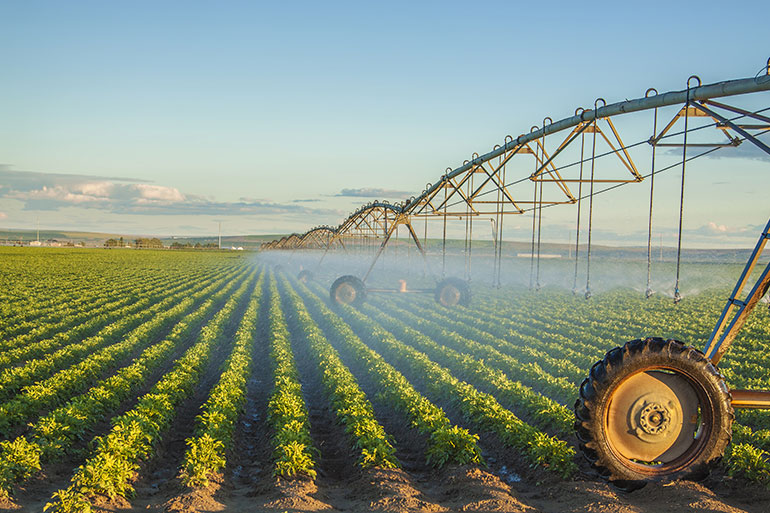
By implementing IoT technology, we can minimize water wastage. For example, smart connected sensors can be embedded in the soil to measure moisture and pH levels. Also, they can be connected to smart irrigation and smart fertilizer systems that will let you apply just the right amount of fertilizer and water that are optimally required by the crops to grow.
2. Controlling Pests
Today, farmers and individuals are opting for pesticide free natural crops. Hence, farmers are increasingly finding ways to reduce, or even completely eliminate, pesticide use. Internet-connected sensors are enabling farmers to better monitor pest populations. In a situation where pest populations are reaching points that they can harm the crops, farmers are able to opt for making use of pheromones to control pest population without using synthetic pesticides.
3. Managing Livestock
The cost of raising livestock is rising continuously every year. Moreover, the public is emphasizing on producing higher quality and more nutritious meat. That is why, farmers are now turning to IoT for help. Farmers can make use of sensors to monitor the health of the animal by checking their blood pressure, heart rate, and other parameters. If they find that any of these parameters are not within the accepted ranges, farmers can quickly provide treatment to the animal. With these sensors, farmers can not only monitor the health of the animal, in some cases, they can also help track the animal’s location using GPS technology. Location monitoring is useful for farmers who are rearing free range or pastured livestock as it would enable them to better account for their livestock.
Thus, IoT has changed several aspects of day to day agricultural operations. IoT technology is the key to reducing costs, maximizing yield and for making optimum use of resources.