
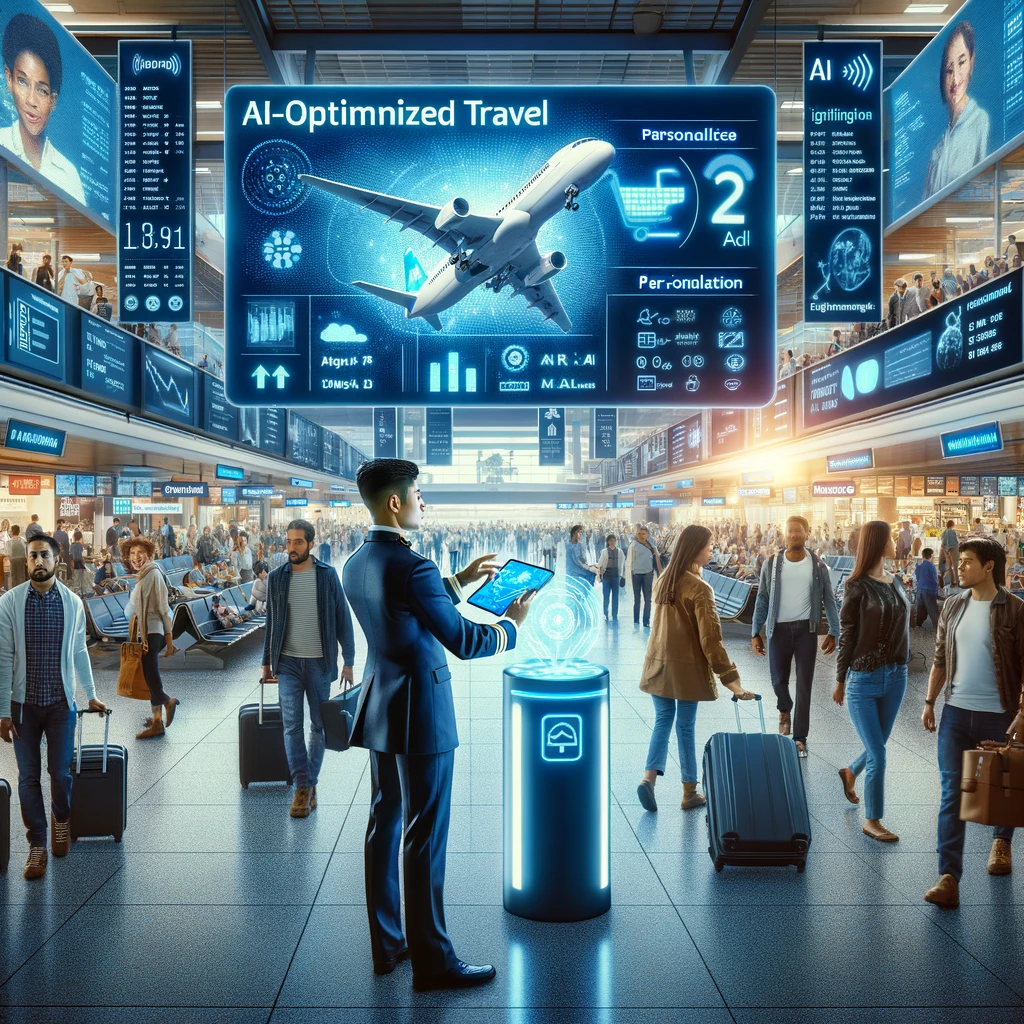
This article explores two ends of the marketing spectrum, each offering unique perspectives on using AI in marketing. On one end, traditional marketing practices have stood the test of time, relying on human creativity and expertise to reach and engage consumers effectively. On the other end lies the exciting and relatively new frontier of Artificial Intelligence (AI) in marketing, promising innovative solutions to enhance campaigns and customer interactions.
Combining these two tools results in an AI-optimized marketing campaign. These creative campaigns have quickly gained popularity, offering valuable lessons for brands looking to enhance their marketing strategies.
First and foremost, let’s understand what an AI-optimized marketing campaign is all about. AI-optimized marketing campaigns are a modern marketing strategy that uses advanced AI technology and smart algorithms. It helps marketers work with more innovation and provide personalized experiences to customers by analyzing lots of data and making data-driven decisions. This exciting blend of AI and marketing creates better customer interactions and ensures a more focused and enjoyable experience for them.
Unlocking the power of an AI-optimized marketing campaign allows businesses to connect with their audience more effectively. By delivering relevant content and tailored offers, they can boost customer satisfaction and foster greater loyalty among their clientele.
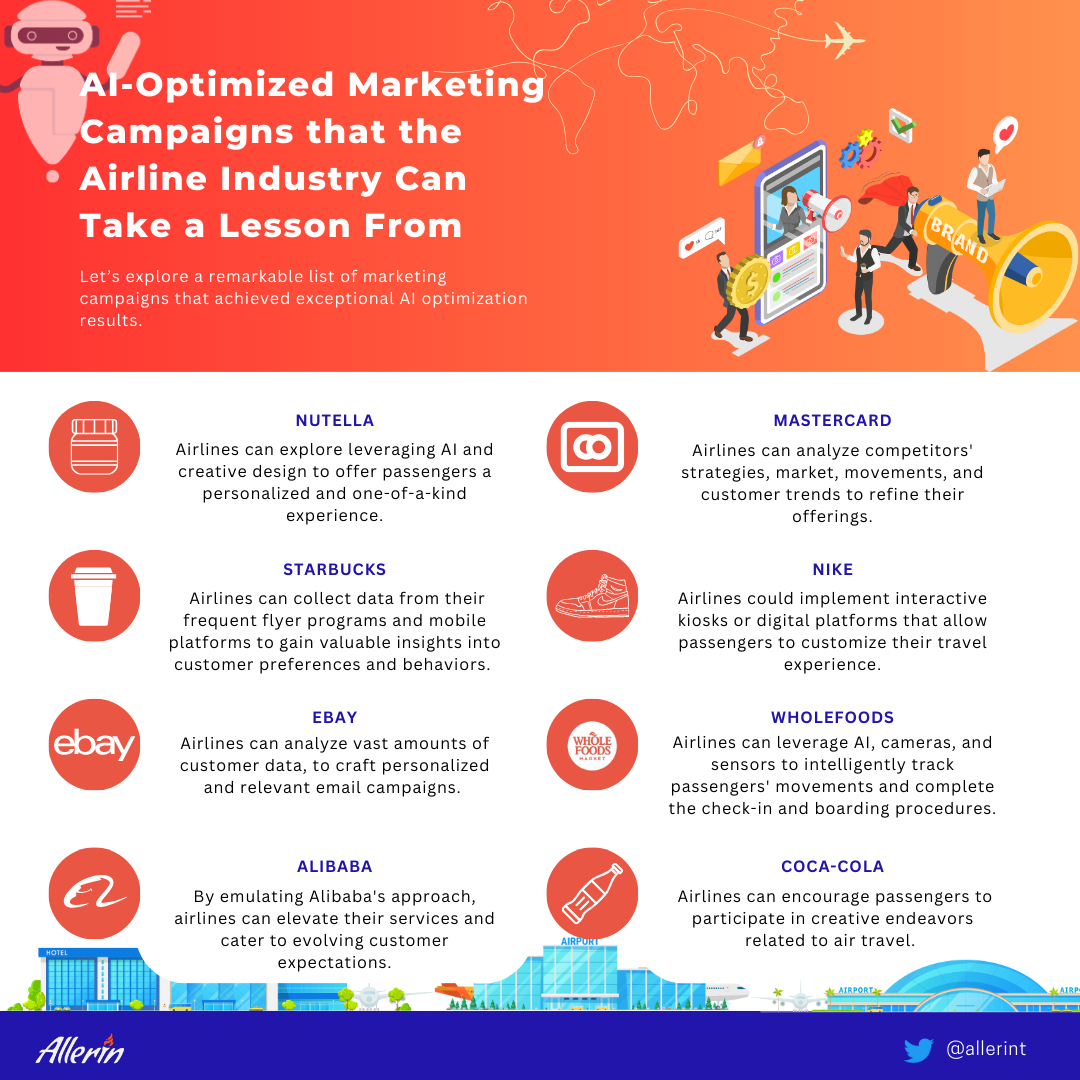
Let’s explore a remarkable list of marketing campaigns that achieved exceptional AI optimization results.
8 Examples of AI-Optimized Marketing Campaigns
1. Nutella
Nutella has always been a pop-culture icon with its iconic packaging and pop-culture relevance. Refreshing packaging design in marketing has always been a trend. Nutella wanted to stand out from everyone else. They entrusted this task to Ogilvy Italy, and Nutella Unica was born just like that.
The airline industry can draw inspiration from the success of Nutella Unica’s innovative marketing approach. Just as Nutella Unica created 7 million unique designs, airlines can explore leveraging AI and creative design to offer passengers a personalized and one-of-a-kind experience. By incorporating elements inspired by the spirit of different cultures and destinations, airlines can create diverse and captivating themes for their branding, in-flight entertainment, cabin interiors, and amenities.
This approach has the potential to resonate strongly with travelers, providing a sense of excitement and uniqueness, much like the instant hit experienced by Nutella Unica in retail stores. Embracing this level of personalization and creativity could help airlines stand out from their competitors and create a lasting impression on their customers.
2. Starbucks
In addition to its clever tactics of misspelling customer names, Starbucks has taken its marketing game to the next level with AI. Similar to how Starbucks leverages predictive analytics from loyalty cards and mobile apps, airlines can collect data from their frequent flyer programs and mobile platforms to gain valuable insights into customer preferences and behaviors. By harnessing this information, airlines can enhance the passenger experience through personalized recommendations and timely notifications.
For instance, AI-powered systems can suggest tailored travel packages, seat upgrades, or in-flight amenities based on individual passenger preferences and past travel history. Airlines can increase ancillary revenue by offering personalized deals and promotions and encouraging passengers to opt for additional services. This personalized approach is likely to heighten customer satisfaction, foster stronger brand loyalty, and ultimately lead to increased sales and repeat business for the airline.
3. eBay
The airline industry can draw inspiration from eBay’s successful use of AI-powered email marketing to better engage with its extensive customer base. Just as eBay partnered with Phrasee to create a custom language for their emails, airlines can collaborate with AI-driven platforms to tailor their email communications to resonate with their specific brand style and appeal to customers’ preferences.
By leveraging AI technology, airlines can analyze vast amounts of customer data, including travel history, preferences, and interactions, to craft personalized and relevant email campaigns. These tailored messages can include personalized flight deals, destination recommendations, and ancillary service offers, increasing the likelihood of customers opening and clicking on the emails. The ability to deliver personalized and meaningful content through AI-powered email marketing can help airlines better connect with their extensive customer base, leading to increased customer satisfaction, brand loyalty, and, ultimately, a boost in revenue and market presence.
4. Alibaba
In Hong Kong, Alibaba’s groundbreaking “FashionAI” store serves as a source of inspiration for the airline industry, showcasing how advanced artificial intelligence (AI) technology can revolutionize the passenger experience. By emulating Alibaba’s approach, airlines can elevate their services and cater to evolving customer expectations.
Just as the “FashionAI” store utilizes unique tags on clothing items to create an interactive shopping experience, airlines can explore AI-powered enhancements to their onboard amenities and services. For instance, intelligent sensors could be integrated into seats, enabling passengers to customize their in-flight experience with a simple touch. Passengers could adjust seat settings, lighting, and entertainment options, ensuring a seamless and personalized journey.
5. Mastercard
Amidst the global shutdown, Mastercard Payment Gateway Services (MPGS) faced tough competition and sought a strategic solution. They turned to an AI-powered tool called Crayon, which analyzed competitors’ actions and anticipated potential threats. The outcome was impressive, as Crayon empowered MPGS to elevate its competitive intelligence strategy, gain valuable market insights, and optimize its approach.
Drawing inspiration from MPGS’s success, the airline industry can adopt AI-powered tools to enhance its competitive edge. By utilizing similar platforms, airlines can analyze competitors’ strategies, market movements, and customer trends to refine their offerings and stay ahead in the fiercely competitive landscape. This approach fosters collaboration within the airline organization, allowing everyone to contribute valuable ideas and insights for collective success in navigating the industry’s challenges. Embracing AI-driven competitive intelligence can help airlines thrive in challenging times and remain proactive in delivering exceptional services to their customers.
6. Nike
Just as Nike introduced the Nike+ sensor in 2006, airlines can explore incorporating cutting-edge technology to deliver personalized experiences and enhance their offerings. For instance, airlines could implement interactive kiosks or digital platforms that allow passengers to customize their travel experience, such as choosing in-flight amenities, seat preferences, and meal options.
Moreover, like Nike’s in-store sneaker design feature, airlines can provide passengers with the ability to personalize their travel itineraries, allowing them to select preferred destinations, layover durations, and travel activities. This not only adds a touch of creativity and enjoyment to the booking process but also generates valuable data that airlines can utilize to create new travel packages and offer personalized suggestions to customers.
7. Whole Foods
Similar to how Whole Foods introduced free home delivery and convenient stores, airlines can offer seamless and convenient services to travelers, making their journey more comfortable and enjoyable.
One way the airline industry can take inspiration is by implementing hassle-free check-in and boarding processes. Just like the “Just Walk Out” technology at Whole Foods, airlines can leverage AI, cameras, and sensors to intelligently track passengers’ movements and automatically complete the check-in and boarding procedures. This would allow travelers to skip long queues and save time at the airport, transforming the travel experience.
8. Coca-Cola
Coca-Cola’s unique use of AI in marketing to create engaging and innovative campaigns can be an inspiration to the airline industry. Airlines can explore collaborations with AI technology providers to develop cutting-edge campaigns that captivate and involve their customers.
By leveraging AI technologies like GPT-4 and DALL-E, airlines can encourage passengers to participate in creative endeavors related to air travel. For instance, they could invite travelers to share their travel stories, experiences, and dreams using AI-generated visuals and text prompts. This approach allows passengers to unleash their creativity and forge a deeper connection with the airline brand.
Conclusion
In conclusion, integrating AI into marketing strategies has significantly transformed numerous brands in diverse industries. From automotive giants like Volkswagen to well-known companies such as Coca-Cola, Nutella, Starbucks, eBay, Alibaba, Amazon, Mastercard, Nike, and Whole Foods, all have enthusiastically embraced AI to optimize their marketing campaigns and provide personalized customer experiences.
AI-optimized marketing campaigns harness the immense potential of artificial intelligence, allowing marketers to process vast amounts of data, recognize valuable patterns, and make data-driven choices. This powerful combination results in improved forecasting, better customer interactions, and a notable increase in sales. For instance, Volkswagen’s decision to rely on AI for ad-buying decisions led to cost savings and substantial sales growth. Similarly, Nutella’s creative use of AI-generated millions of unique designs captured customer attention and boosted sales.
The success stories of these brands demonstrate how AI is revolutionizing marketing, empowering companies to understand their customers better and deliver tailor-made experiences that leave a lasting impact. As technology advances, AI’s role in marketing will undoubtedly evolve, unlocking even more exciting possibilities for brands to connect with their audiences in a more personalized and meaningful way.