
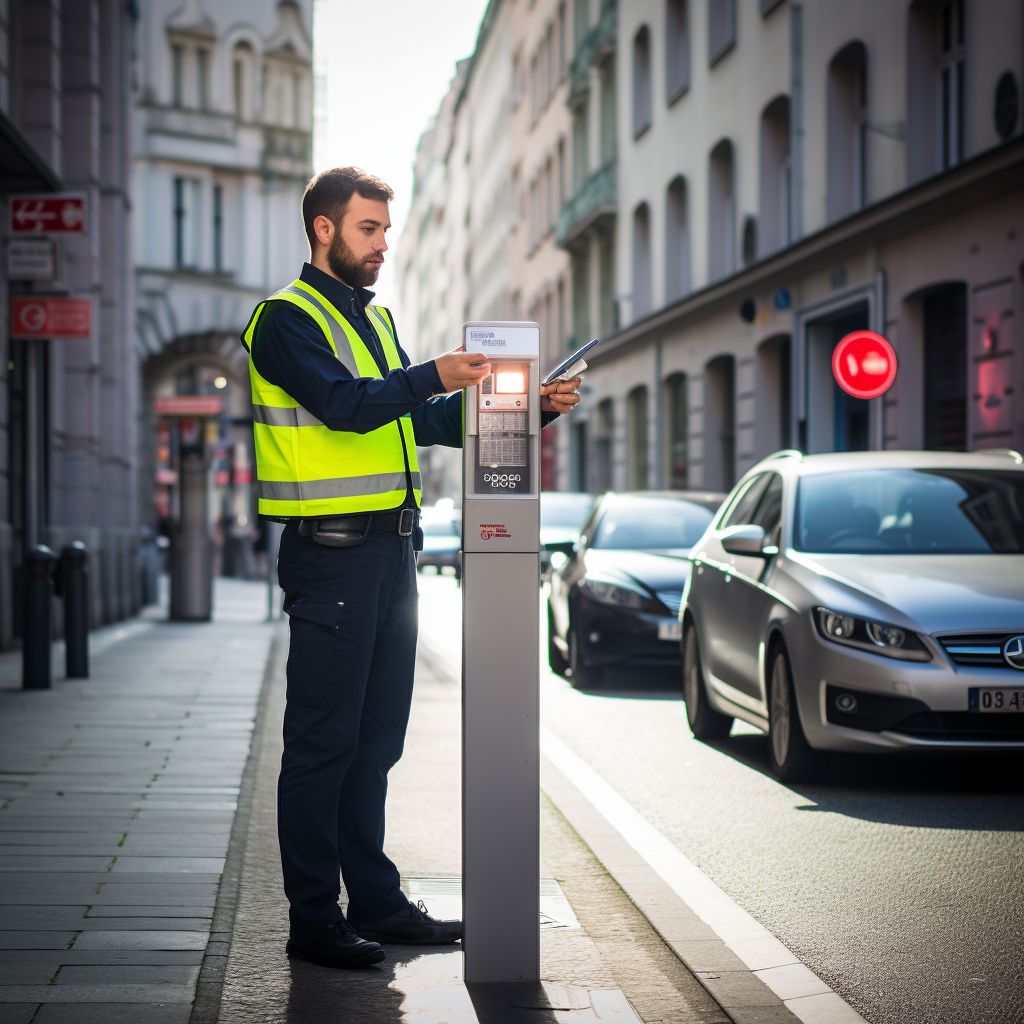
On-street parking is a common sight in urban areas. If we look at the example of New York City, on-street parking makes up more than sixty-five percent of total parking availability. Despite this, on-street parking has been traditionally neglected due to outdated and inefficient parking.
Unfortunately, on-street parking has often been underutilized due to outdated and inefficient methods. In order to ensure optimal traffic flow, it is important to have an efficient system for on-street parking enforcement. Enter the iPAM (Intelligent Parking Automation and Management) system, a cutting-edge solution designed specifically for this purpose.
So how exactly can on-street parking enforcement using iPAM help optimize signal timing and intersection control? Let’s find out.
Real-time Data Integration for Smarter Signal Timing
iPAM provides real-time data integration capabilities that can greatly benefit signal timing optimization. It collects data from various IoT sources, such as parking occupancy, traffic flow sensors, smart meters and historical usage patterns.
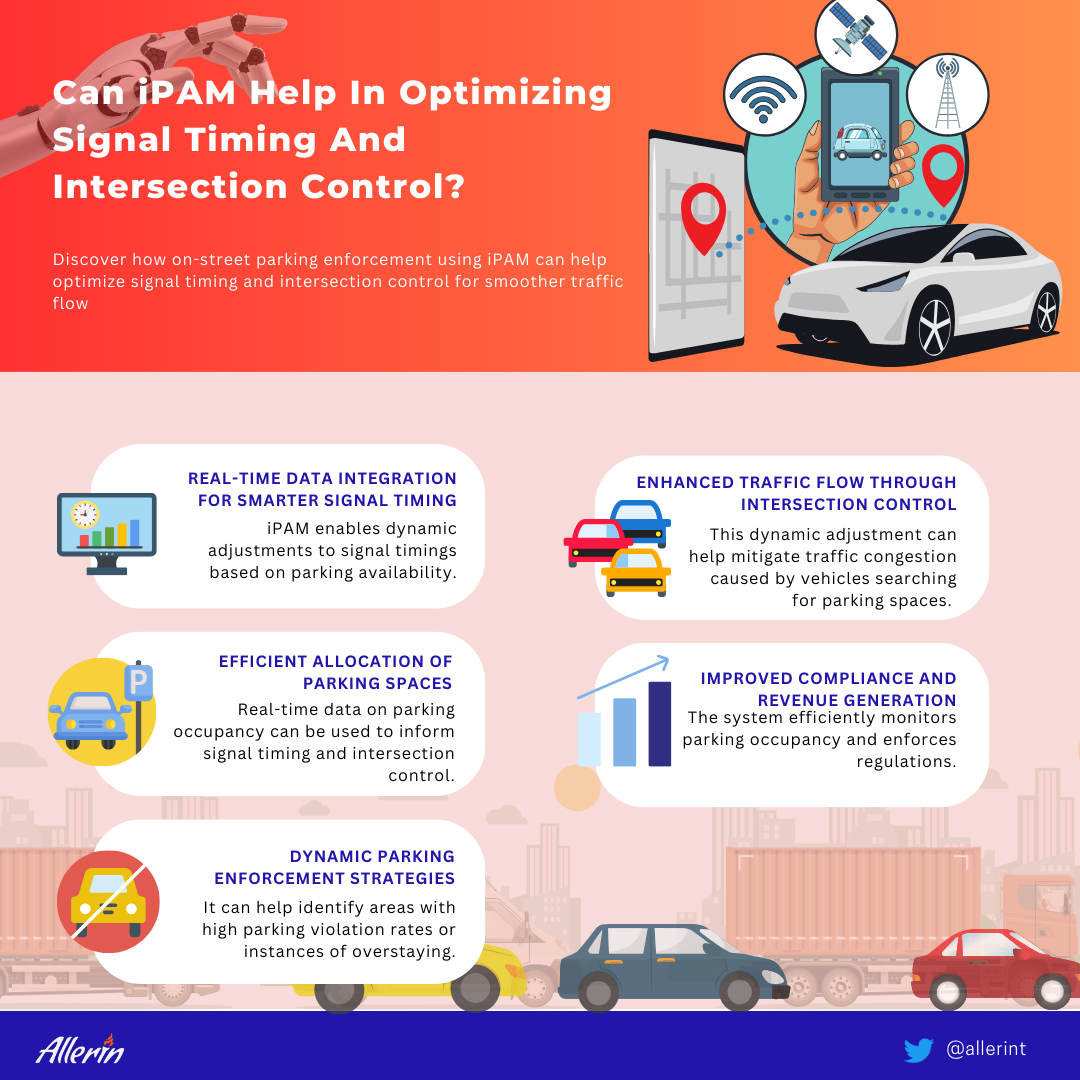
Using this, iPAM enables dynamic adjustments to signal timings based on parking availability. This data-driven approach ensures that signal timings are optimized to accommodate changing parking demands, minimizing congestion and enhancing the overall traffic flow.
Efficient Allocation of Parking Spaces
With iPAM, on-street parking enforcement agencies can better manage the allocation of parking spaces. By integrating iPAM with parking enforcement systems, real-time data on parking occupancy can be used to inform signal timing and intersection control.
For example, when parking spaces become scarce in a particular area, signal timings can be adjusted to prioritize the movement of vehicles toward available parking spaces. This ensures more efficient utilization of the existing parking infrastructure.
Dynamic Parking Enforcement Strategies
iPAM enables on-street parking enforcement agencies to implement dynamic parking enforcement strategies. It can help identify areas with high parking violation rates or instances of overstaying. Enforcement officers can be directed to these areas, optimizing their efforts and improving compliance.
iPAM also facilitates the integration of automated enforcement technologies, such as license plate recognition systems, enabling efficient enforcement without increasing the workload on enforcement personnel.
Enhanced Traffic Flow through Intersection Control
Intersection control is a crucial aspect of traffic management, and iPAM can significantly optimize intersection operations. iPAM can be integrated with signal control systems, which can help gather real-time parking occupancy data. This can, then, be used to adjust signal timings at intersections near parking areas.
This dynamic adjustment can help mitigate traffic congestion caused by vehicles searching for parking spaces. iPAM can also facilitate the implementation of smart intersection technologies, such as adaptive signal control systems, which can further enhance traffic flow efficiency.
Improved Compliance and Revenue Generation
On-street parking enforcement using iPAM not only enhances traffic management but also improves compliance and revenue generation. The system efficiently monitors parking occupancy and enforces regulations. This reduces instances of parking violations, creating a more compliant parking environment.
It, in turn, leads to increased revenue from parking fines and fees. The additional revenue can be reinvested in enhancing parking infrastructure and improving the overall parking experience for drivers.
Conclusion
On-street parking enforcement using iPAM has the potential to optimize signal timing and intersection control, resulting in improved traffic management and enhanced utilization of parking spaces. As cities continue to face parking and traffic challenges, iPAM emerges as a valuable tool for transforming the way on-street parking is managed, making our urban areas more accessible, efficient and driver-friendly.