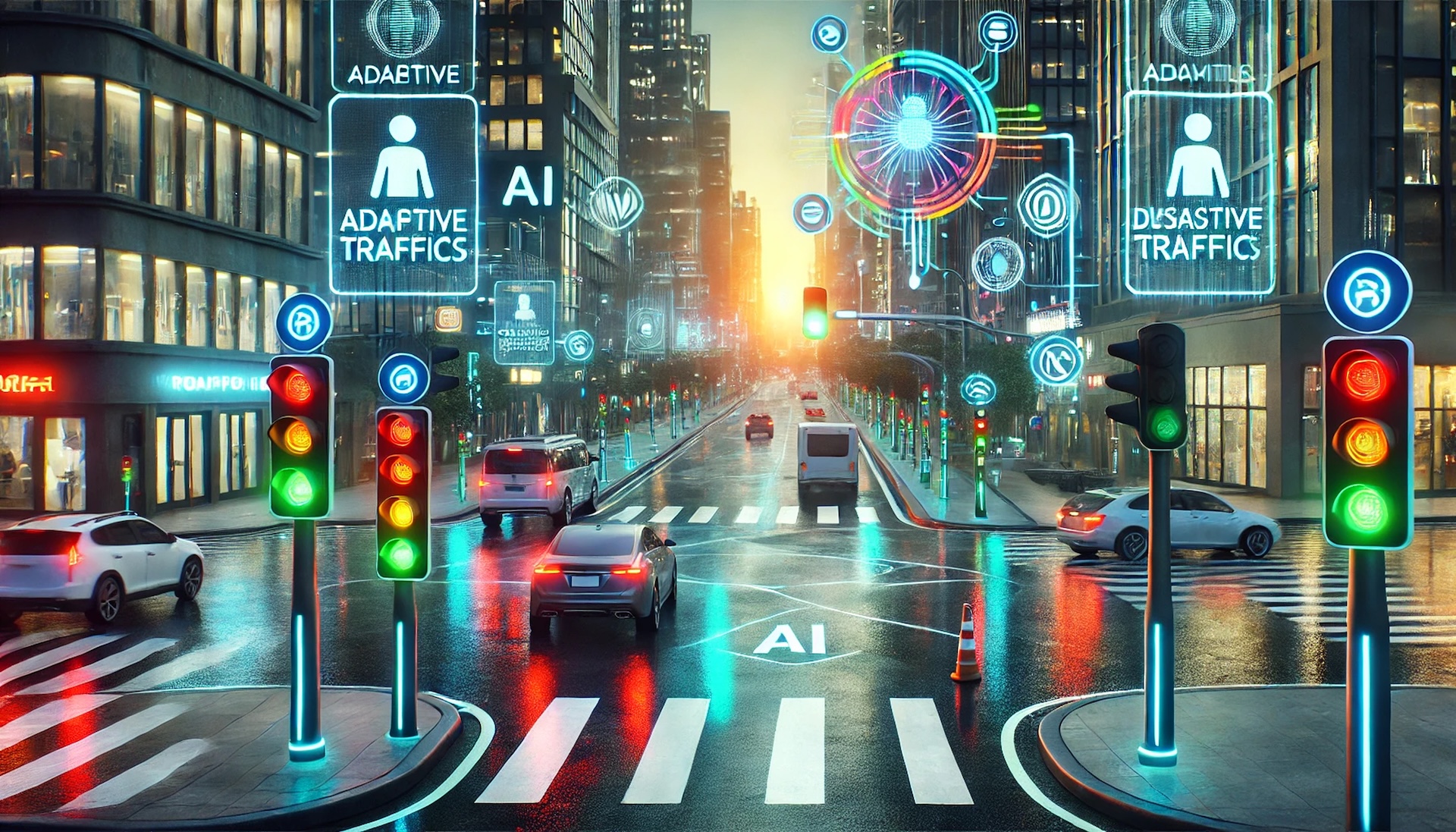
 With cities rapidly growing, the urban population skyrocketing, and transportation systems struggling to keep up, traffic congestion has become a real challenge for many countries. Effective traffic management is now more important than ever to ensure that daily life remains smooth and enjoyable for everyone—residents and visitors alike.
To ease these challenges, multiple solutions have been explored in recent years. One such solution is the use of LPR (license plate recognition) which plays a vital role in traffic management, toll collection, law enforcement, and parking systems by automatically identifying vehicles through license plate detection. But these systems, while useful, have several limitations that affect their accuracy and efficiency. Environmental challenges such as poor lighting, glare from headlights, and shadows can cause cameras to misread characters, while adverse weather like rain, fog, or snow reduces image clarity. Another major limitation is that LPRs mostly rely on static data, meaning it only captures a vehicle’s license plate but does not really analyze deeper insights such as traffic patterns, congestion trends, or driver behavior.
These approaches are not only time-consuming but also prone to human error, making it difficult to efficiently analyze patterns and make informed decisions. This is where AI-powered video analytics and computer vision step in, transforming traffic management by automating real-time vehicle tracking, congestion analysis, and anomaly detection. AI-driven solutions also process massive datasets instantly, improving accuracy, enhancing decision-making, and enabling proactive traffic control. By addressing these inefficiencies, AI-powered analytics pave the way for smarter, more efficient, and future-ready transportation systems.
What Can AI and Computer Vision Bring to Transportation Data Analysis?

Yes, transportation analysis has been around for ages and without it, progress in road systems and traffic management would not be possible. But for the longest time, this was all done using traditional methods, which really didn’t capture all the finer details and insights we need today.
Effective Traffic Monitoring for Improved Data Collection
Traditional traffic monitoring methods primarily rely on surface-level metrics like vehicle counts at specific locations and times. While these metrics offer a broad overview of traffic volumes, they fail to capture the finer details of driving behavior such as acceleration patterns, lane changes, or deceleration before stoplights that directly influence congestion, road safety, and overall traffic flow. Without this level of granular data, cities lack the necessary insights to make informed decisions and implement effective traffic management strategies.
AI and computer vision solve all these problems seemingly in seconds. It leverages advanced algorithms and real-time video analytics to monitor traffic patterns more effectively, picking up on important details that traditional tools often overlook. For instance, AI systems can track individual vehicles in real time, monitoring their speed, acceleration, and deceleration. This allows AI to detect subtle shifts in driving behavior, such as reactions to stoplights or congestion, that impact traffic flow, safety, and congestion. By processing video data from traffic cameras, AI can identify patterns, predict traffic backups, and offer deeper insights into real-time conditions, enabling more effective traffic management and smarter long-term planning.
Real-Time Data Compilation in Traffic Monitoring
Traditional traffic data collection methods are slow and outdated. They rely on manual processes like vehicle counts at specific intersections or static sensors, requiring extensive processing time that can delay important insights by days or even weeks. These methods capture only basic metrics like traffic volume and speeds without reflecting real-time traffic flow across a broader area. As cities expand, manual traffic monitoring becomes impractical, making it harder to manage congestion and respond to accidents quickly.
Unlike manual processes, AI-powered systems can process real-time video feeds almost instantaneously. For instance, advanced algorithms can detect and track vehicles as they move through monitored areas, providing immediate insights into traffic flow, density, and speed without the need for manual intervention. This capability allows for dynamic adjustments to traffic signals and immediate responses to emerging issues such as congestion or accidents, ensuring that transportation agencies can act swiftly rather than relying on outdated information.
Scalable Solutions for Efficient Traffic Data Collection
Collecting traffic data manually through vehicle counts, surveys, or static sensors requires significant human resources. Staff must be deployed to specific, often hazardous locations, limiting coverage and extending analysis time. Another challenge is retrieving data from remote sensors which adds logistical complexity and delays. As cities grow and traffic patterns become more complex, these methods require more staff, equipment, and time, making them insufficient. Financially, scaling up these systems can also be very expensive due to the costs of hiring staff, setting up more data points, and maintaining equipment, making it difficult for transportation agencies to monitor traffic effectively across large urban areas.
No more relying on manual labor or dealing with logistical challenges–AI-powered cameras capture real-time footage, instantly detecting and tracking vehicles without human intervention. This means large areas can be monitored seamlessly without extra staff or the need to retrieve sensor data manually. Plus, AI scales effortlessly, processing data from multiple sources at once, allowing transportation agencies to manage vast amounts of traffic data with ease. By providing real-time insights and eliminating repetitive tasks, AI makes traffic monitoring more accurate, cost-effective, and reliable for growing cities.
The Future of Smart Transportation
The future of transportation research will go beyond just studying traffic flow—it will be about understanding how public transportation runs, how pedestrians move, and how cities can function more efficiently. By bringing together real-time video feeds, IoT sensors, and traffic reports into one smart system, traffic engineers can get a much clearer picture of how everything connects.
Game-Changing Optimization Techniques
Advanced optimization techniques like Genetic Algorithms (GA) and Ant Colony Optimization (ACO) are game changers in traffic management and urban planning. GA is inspired by natural selection which means that it creates a bunch of traffic solutions, checks which ones work best, and then mixes them up to come up with even better solutions. Over time, it keeps improving things like traffic signal timings and fleet management. ACO, on the other hand, is inspired by how ants find the best paths to food. It uses “pheromone trails” to help identify the best traffic routes, and it can adjust in real-time to deal with changing traffic conditions. Both of these techniques can handle big, complex data, so they’re great for large cities. They help make smarter decisions about things like public transport routes and where to invest in infrastructure to reduce congestion and improve safety.
Algorithms like vehicle-to-everything (V2X) allow vehicles to communicate directly with traffic lights, road signs, and other vehicles, creating a synchronized, real-time traffic ecosystem. This technology allows vehicles to adjust their speed or change lanes based on current traffic conditions, which significantly enhances both road safety and traffic efficiency. By leveraging these AI-driven systems, cities can reduce congestion, improve safety, and create transportation networks that are more responsive to dynamic, real-time conditions, ultimately making urban mobility more efficient and sustainable.
With the help of such advanced algorithms, transportation managers can identify potential gaps, optimize resources, and build more efficient transportation networks. However, the use of AI in public space monitoring raises significant ethical concerns, particularly around privacy and data usage. As AI systems collect vast amounts of data through cameras and sensors, there is the potential for an invasion of privacy, especially if personal information is captured or misused. The data collected must be handled responsibly, ensuring that it is not exploited for surveillance purposes beyond its intended use.
Ethical Considerations and Data Privacy
There’s also a risk of bias in AI models, which can emerge if the training data is not diverse or representative of all communities. This could lead to skewed decision-making, such as unfair traffic management practices or resource allocation that disadvantages certain groups. To mitigate these risks, robust security measures are essential to protect sensitive data, and clear ethical guidelines should be established to govern AI usage. Ensuring transparency in AI processes and involving the public in discussions around its implementation can help maintain trust and protect citizens’ rights. While AI and advanced optimization techniques hold vast potential for transforming transportation, careful management is also equally essential to ensure equitable outcomes and safeguard privacy.
AI-powered technologies and advanced optimization techniques offer transportation managers valuable tools to address the growing challenges of traffic management. By leveraging real-time data, smart algorithms, and AI-driven systems, they can improve traffic flow, reduce congestion, and enhance road safety.
These technologies enable more informed decision-making, better resource optimization, and quicker responses to changing traffic conditions. With the right strategies and ethical safeguards, transportation managers can build more efficient, safer, and future-ready transportation systems that benefit everyone.