Vehicle analytics has grown by a lot, as shown by its use in more than dozens of US airports’ parking management and vehicle tracking systems. These systems can automatically issue citations for uninsured and unregistered vehicles while performing well even in tough weather conditions. The technology’s integration with databases has reshaped how cities handle traffic management, security, and law enforcement operations.
Advanced Vehicle Behavior Analytics
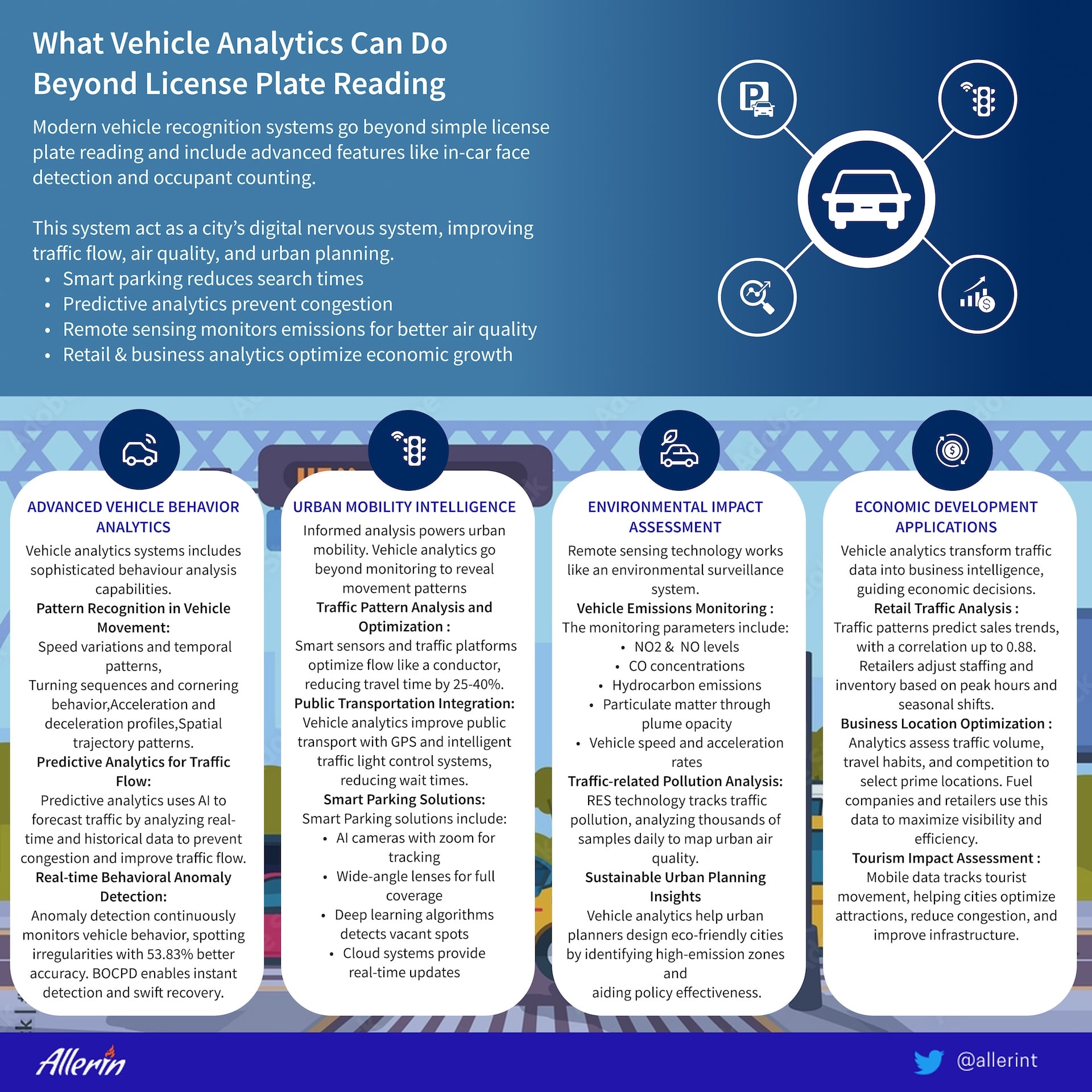
Vehicle analytics systems have evolved beyond simple recognition to include sophisticated behavior analysis capabilities. Pattern recognition algorithms identify distinct driving patterns, especially in harsh braking, acceleration, and cornering events. These systems detect specific speed patterns, such as deceleration before cornering that indicates potentially reckless behavior.
Pattern Recognition in Vehicle Movement
A driver’s vehicle movement patterns work like unique fingerprints of driving behavior. Advanced systems analyze everything in vehicle movement:
- Speed variations and temporal patterns
- Turning sequences and cornering behavior
- Acceleration and deceleration profiles
- Spatial trajectory patterns
Predictive Analytics for Traffic Flow
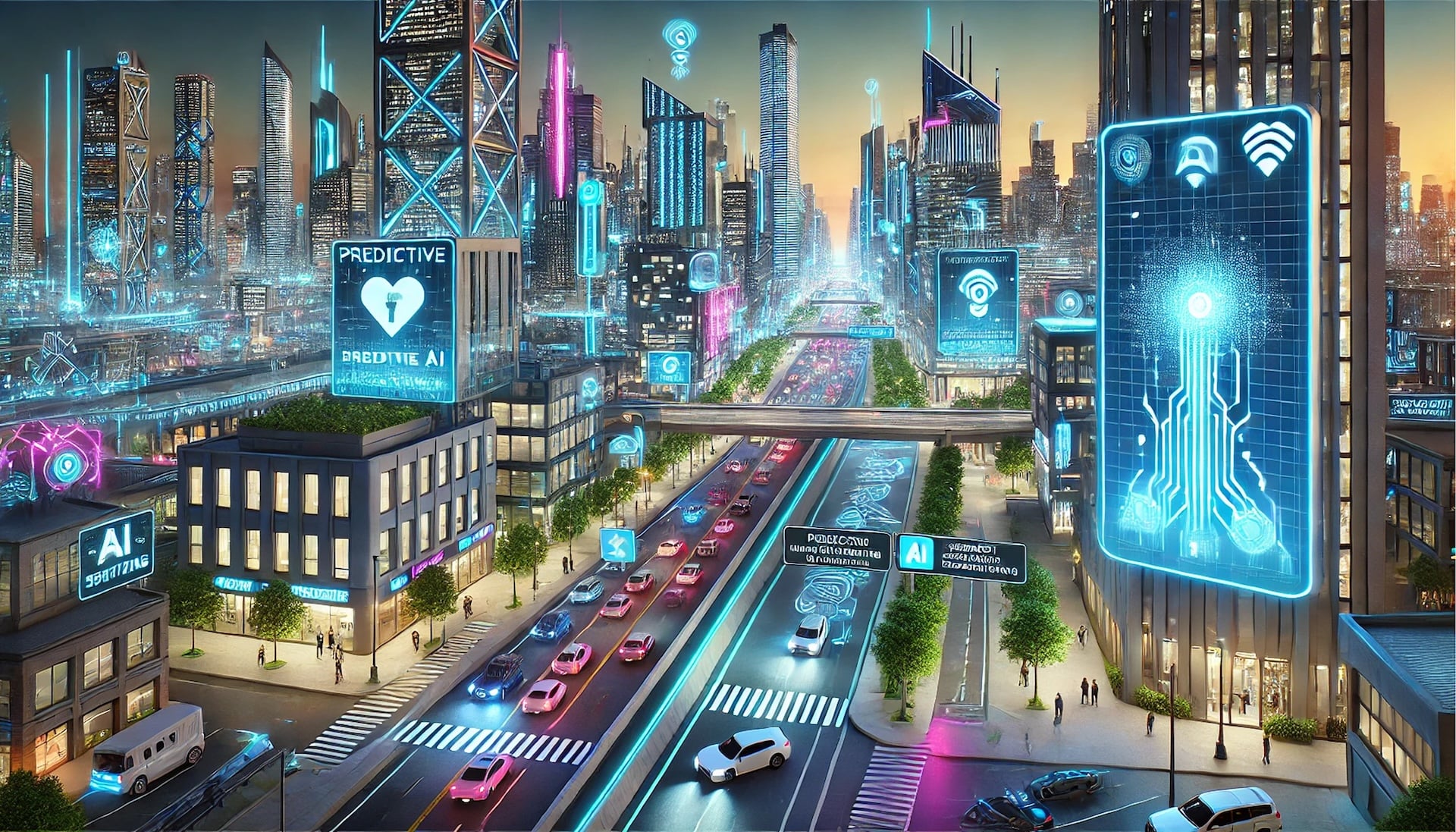
Modern predictive analytics makes use of machine learning techniques to forecast traffic conditions with remarkable precision. These systems process data from sources of all types, including traffic sensors, GPS devices, and cameras. Historical traffic data combines with immediate information to enable accurate predictions of future traffic patterns. Transportation planners can anticipate and address potential congestion points before they occur.
Real-time Behavioral Anomaly Detection
Similar to an immune system’s detection of foreign entities, anomaly detection systems monitor vehicle behavior continuously to find irregularities. These systems achieve an average accuracy improvement of 53.83% over traditional machine learning models. Bayesian Online Change Point Detection (BOCPD) implementation enables instant identification of anomalies and swift recovery mechanisms. This approach will give continuous protection against data integrity threats in connected vehicle systems.
Urban Mobility Intelligence
Informed analysis is the foundation of modern urban mobility systems. It works just like a city’s nervous system that collects and processes vital information. Vehicle analytics applications now reach way beyond simple monitoring and give us new insights into urban movement patterns.
Traffic Pattern Analysis and Optimization
Smart sensors and remote sensing help create a full picture of traffic flow. Traffic management platforms work like a skilled conductor leading a symphony. They analyze data streams to optimize vehicle movement. These systems take in information from multiple sources and achieve up to 25-40% reduction in travel times.
Public Transportation Integration
Vehicle data analytics has transformed public transport systems. GPS tracking and intelligent traffic light control systems show remarkable improvements in service reliability. Cities that use these solutions report shorter waiting times for buses and trams. This happens without any negative effect on other transport modes. Autonomous vehicles provide first and last-mile services at lower costs than regular buses.
Smart Parking Solutions
Smart parking technology has grown into a complex ecosystem. Drivers spend about 17 hours every year looking for parking spaces. The newest solutions include:
- AI-powered cameras with zoom-lens capabilities for vehicle tracking
- Wide-angle fish-eye lenses covering large parking areas
- Deep learning algorithms for identifying vacant and special-purpose spots
- Cloud-based systems for up-to-the-minute updates
Edge devices and cloud connectivity help these integrated systems guide drivers to empty spots while tracking exact parking durations. Urban planners can make better use of space while offering improved services to citizens. St. Pete Beach, Florida shows how well these systems work, with hundreds of smart parking nodes tracking availability in real time.
Environmental Impact Assessment
Remote sensing technology works like an environmental surveillance system and serves as the life-blood of vehicle emissions monitoring. This advanced method measures pollutant concentrations in exhaust plumes through absorption spectroscopy. The system captures data on nitrogen oxides, carbon monoxide, hydrocarbons, and carbon dioxide.
Vehicle Emissions Monitoring
Modern vehicle analytics applications now feature sophisticated remote sensing capabilities that measure emissions during normal road operation. The system uses light absorption techniques and captures vital pollutant data points with high precision. The monitoring parameters include:
- Nitrogen monoxide and dioxide levels
- Carbon monoxide concentrations
- Hydrocarbon emissions
- Particulate matter through plume opacity
- Vehicle speed and acceleration rates
Traffic-related Pollution Analysis
Traffic-related air pollution frequently exceeds legal limits, especially when you have urban populations. Remote emission sensing (RES) technology gives an explanation about transportation’s actual contribution to air quality problems. These systems process thousands of samples each day and create a full picture of pollution patterns at specific locations.
Sustainable Urban Planning Insights
Urban planners, much like environmental architects, make use of information from vehicle analytics to shape eco-friendly cities. This evidence-based approach helps identify high-emission zones and supports policy effectiveness assessment. Remote sensing has shown substantial benefits in emission reduction strategies. To cite an instance, studies in Prague identified Euro 5 and Euro 6 vehicles with malfunctioning emission control systems. The technology also tracks the ground effectiveness of various emission control technologies over time.
These systems excel at detecting differences between certification-test performance and actual emissions, whatever these gaps come from equipment failure or normal deterioration. Urban administrators find this capability valuable when developing evidence-based environmental policies.
Economic Development Applications
Vehicle analytics applications work like a retail compass that guides businesses toward better economic decisions through informed insights. These systems convert raw traffic data into useful business intelligence.
Retail Traffic Analysis
Vehicle traffic patterns are reliable indicators of retail performance. Studies show that daily vehicle count analysis helps predict sales trends before official announcements. The connection between estimated and actual sales reaches correlation coefficients as high as 0.88. Retailers use this data to understand peak shopping hours and seasonal changes. This helps them adjust their staff levels and manage inventory better.
Business Location Optimization
Choosing a business location is like playing a strategic chess game that needs careful analysis of several factors. Advanced vehicle analytics look at:
- Traffic volume and direction patterns
- Customer’s travel habits
- Competitive positioning
- Resource allocation efficiency
Transportation data confirms business theories with real consumer behavior evidence. To cite an instance, heavy-duty vehicle count analysis helps fuel companies pick the best spots for new sites. Retail companies can find prime locations that capture traffic from both directions by studying traffic patterns.
Tourism Impact Assessment
Mobile positioning data reveals new ways to understand tourist movement patterns. Research shows a strong connection between mobile network data and local reference data when measuring tourist flows. This information helps destinations make smart infrastructure investments and enhance visitor experiences. Tourist flow analysis within destinations shows which key districts affect congestion and urban patterns. Planners can organize local tourist attractions better and protect resources with these insights.
Vehicle analytics systems have grown from simple license plate recognition into sophisticated tools that act as a city’s digital nervous system. These systems process countless data points to improve urban operations. Like a skilled conductor leading an orchestra, they coordinate every aspect of city management—from traffic flow and environmental monitoring to economic development.
Cities can now detect and respond to traffic patterns with unique precision through advanced behavioral analytics. Smart parking solutions cut down search times substantially, and predictive analytics prevent congestion before it happens. Remote sensing technology works as environmental watchdogs and provides vital data about vehicle emissions and their effect on air quality.
The economic advantages are just as important. Vehicle analytics help make retail development decisions with remarkable accuracy. Studies have shown correlation coefficients reaching 0.88 between predicted and actual sales. Cities can optimize their infrastructure and visitor experiences through tourism flow analysis, while business location optimization leads to better resource allocation.
These tools are changing how cities plan and manage operations. Vehicle analytics integration with existing urban systems creates a complete framework that bases decisions on concrete data instead of assumptions. Cities using these solutions report major improvements—from 25-40% reductions in travel times to lower emissions through better monitoring and enforcement.
The future of urban management depends on understanding and using these advanced capabilities well. City administrators who adopt these tools as technology evolves will create more efficient, green, and economically vibrant communities.