
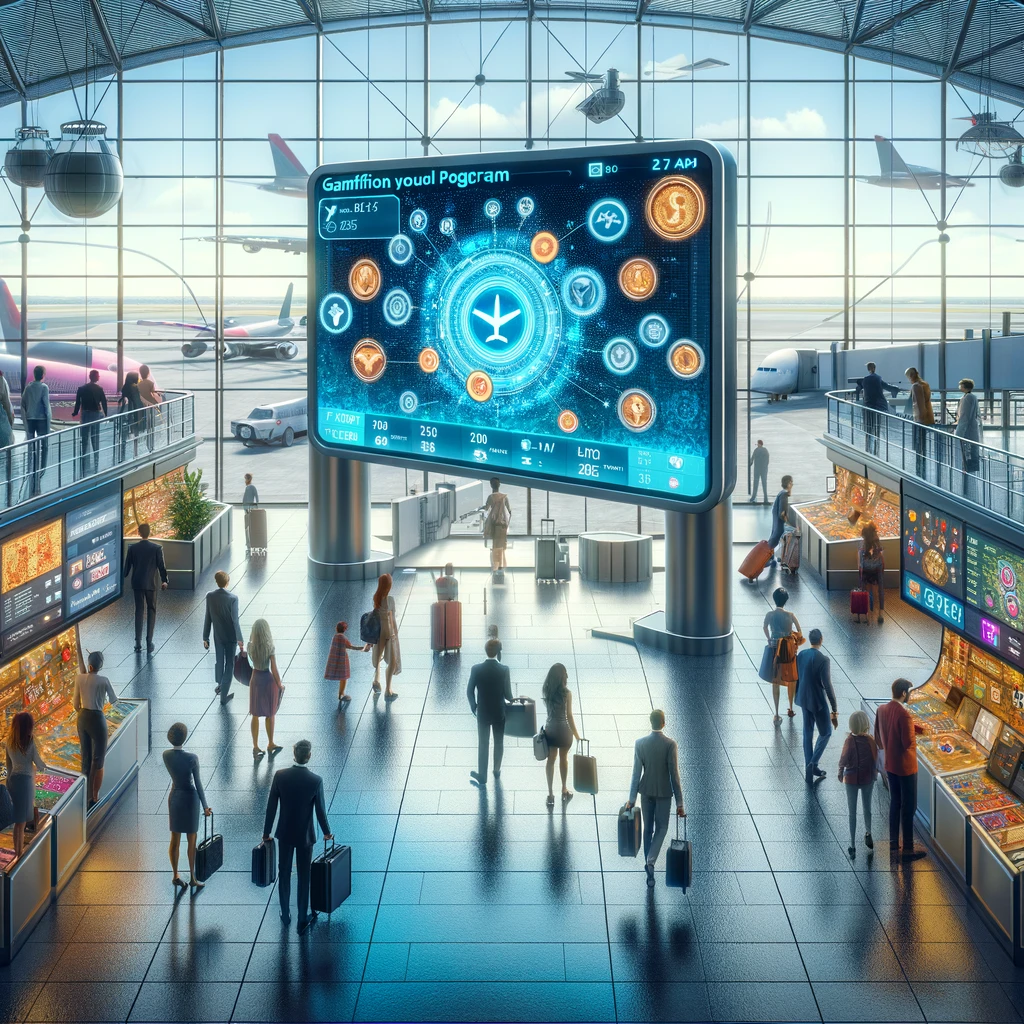
The aviation industry is embracing innovative strategies to meet the increasing expectations of passengers. Amid these rising demands, the implementation of gamification in the aviation industry is proving to be the game changer for customer retention. By infusing elements reminiscent of games into the travel experience, airlines are captivating new audiences and retaining existing ones in a fresh and engaging way.
Let’s explore the impact of gamification in aviation in detail, especially in the sphere of customer retention.
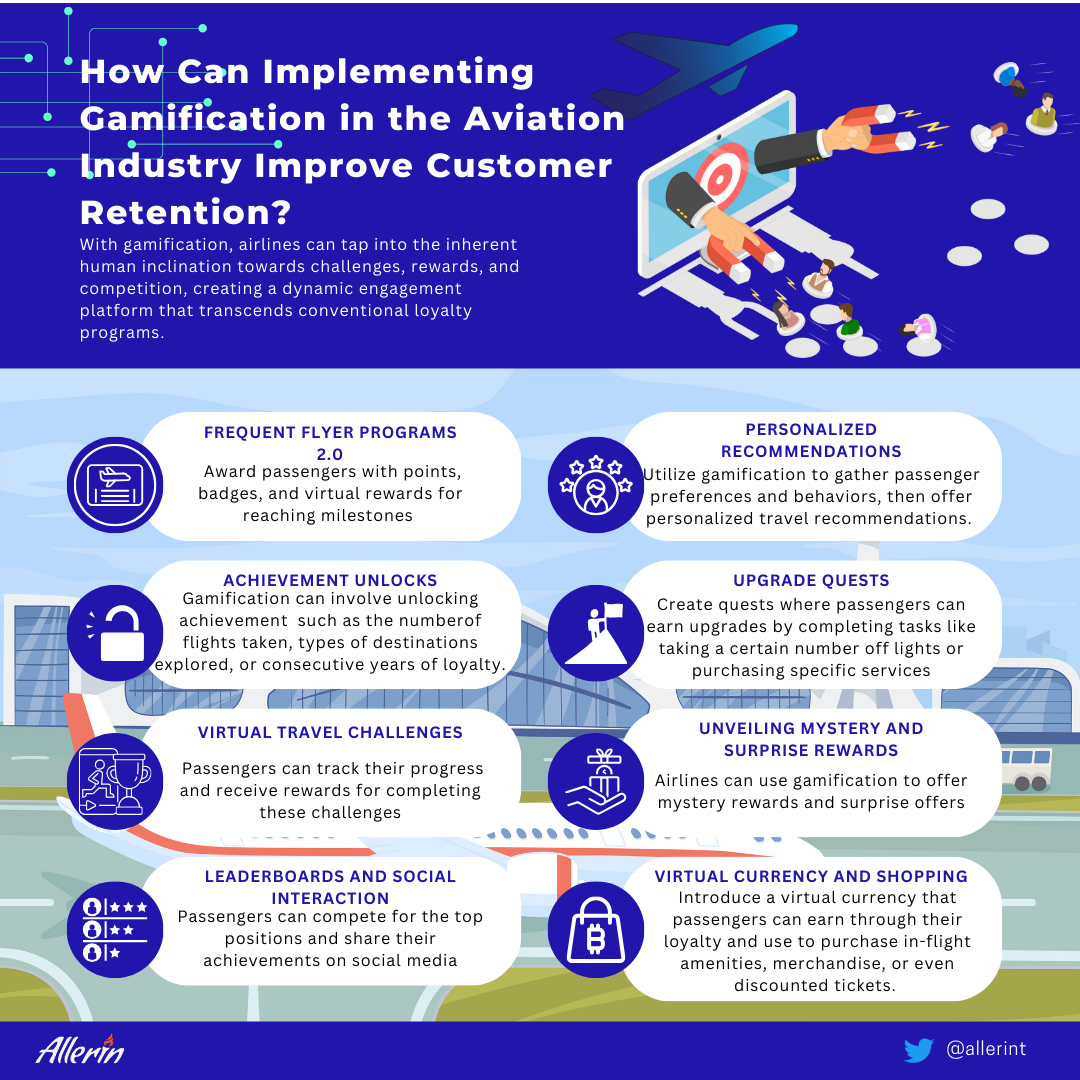
How Can Implementing Gamification in the Aviation Industry Improve Customer Retention?
The gamification approach is rooted in psychology and acknowledges the desire for more meaningful and stimulating interactions with travel facilitators. With gamification, airlines can tap into the inherent human inclination towards challenges, rewards, and competition, creating a dynamic engagement platform that transcends conventional loyalty programs.
As the industry seeks innovative methods to elevate customer experiences, gamification is becoming a leading contender, poised to redefine how airlines foster lasting connections with their passengers. Further, let’s examine this aspect in detail.
1. Frequent Flyer Programs 2.0
Transform traditional frequent flyer programs into gamified experiences. Award passengers with points, badges, and virtual rewards for reaching milestones like miles traveled, destinations visited or loyalty over time. This enhances customer engagement and encourages them to choose the same airline for future travel.
2. Achievement Unlocks
Gamification can involve unlocking achievements or levels based on various criteria, such as the number of flights taken, types of destinations explored, or consecutive years of loyalty. This element of accomplishment can keep passengers invested in their airline loyalty.
3. Virtual Travel Challenges
Create virtual travel challenges where passengers can “visit” destinations by completing certain activities or flying specific routes. Passengers can track their progress and receive rewards for completing these challenges, encouraging them to explore more routes with the airline.
4. Leaderboards and Social Interaction
Implement leaderboards that showcase the most active and loyal passengers. Passengers can compete for the top positions and share their achievements on social media. This sense of friendly competition can boost engagement and keep passengers coming back.
5. Personalized Recommendations
Utilize gamification to gather passenger preferences and behaviors, then offer personalized travel recommendations. Passengers will feel understood and valued, leading to increased loyalty due to the tailored experience.
6. Upgrade Quests
Create quests where passengers can earn upgrades by completing tasks like taking a certain number of flights or purchasing specific services. The thrill of receiving an unexpected upgrade can enhance the overall travel experience and increase customer satisfaction.
7. Unveiling Mystery and Surprise Rewards
The element of surprise adds an element of excitement to any experience. Airlines can use gamification to offer mystery rewards and surprise offers, keeping passengers engaged and curious about the next delightful surprise they might encounter.
8. Virtual Currency and Shopping
Introduce a virtual currency that passengers can earn through their loyalty and use to purchase in-flight amenities, merchandise, or even discounted tickets. This creates a sense of exclusivity and encourages passengers to stick with the airline.
As the aviation industry enters a more customer-centric era, gamification emerges as a beacon of innovation. Airlines can forge deeper connections and lasting loyalty by incorporating gamification in the aviation industry. This dynamic strategy holds the potential to redefine not just the travel experience but also the relationships airlines cultivate with their passengers.